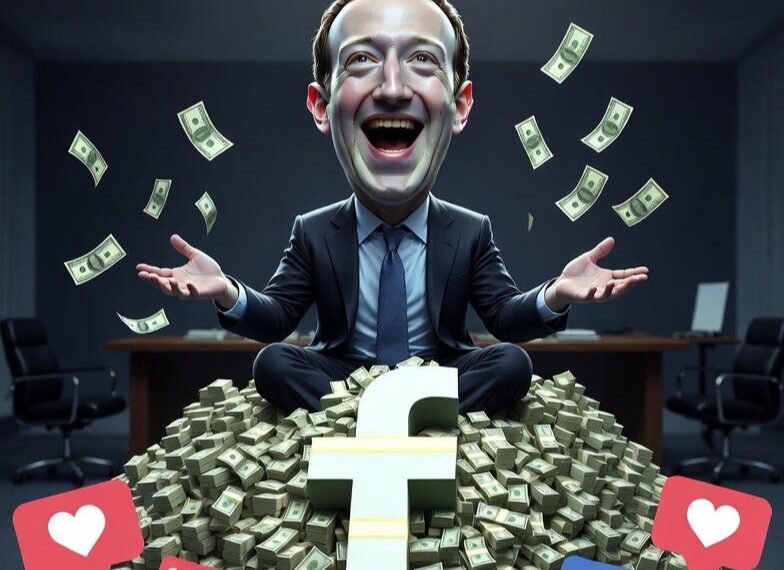

This morning, everybody’s yelling about “artificial intelligence” again. Wall Street is suddenly nervous that the AI gold rush might actually have a bill attached to it. Oracle drops earnings, says, “By the way, we’re going to spend mountains of cash on more AI data centers,” and the market flinches. The same people who swore this stuff would “change everything” are now wondering if they just built the world’s most expensive slot machine and hoped it would print money instead of cherries.
Out here in consumer‑land, that “AI bubble” doesn’t look like a philosophy debate. It looks like every app screaming “AI inside” while they quietly cut prices behind the scenes. The more power you can run at home or on your own little server, the less leverage the big cloud shops have to charge you by the token. When the hype fades, the tech will still be there—but it’ll feel more like Wi‑Fi or electricity than magic. The bubble pops on Wall Street long before it disappears from your phone.
Meanwhile, if you turned on a TV last night, you probably saw the movie‑trailer version of foreign policy: U.S. helicopters hovering over a Venezuelan supertanker, soldiers fast‑roping onto the deck in the dark. Trump says the U.S. seized a sanctioned oil tanker off Venezuela’s coast as part of the pressure campaign on Maduro. Caracas calls it “piracy”; Washington calls it enforcing the rules. If any other country did that to one of our ships, cable news would be live for a week straight.
At the same time, there’s a very different kind of theater playing out in Oslo. Venezuelan opposition leader María Corina Machado, who’s been hiding from Maduro’s people, just won the Nobel Peace Prize. She didn’t walk on stage to get it—her daughter did. A young woman standing there, holding a gold medal with Alfred Nobel on one side and “Pro pace et fraternitate gentium” – for peace and the brotherhood of peoples – wrapped around the back.
That’s the image they’re going to turn into a brand. Give it a little time and you’ll see her face in high‑contrast stencil, “FREE VENEZUELA” underneath, printed on shirts from college campuses to coffee shops. Just like Che. Half the people wearing it won’t know anything more than, “She’s that freedom lady from TikTok.” That’s how modern revolutions get marketed: one part courage, one part CIA, and one part merch table.
And while we’re “freeing” people abroad, there’s a quieter story closer to home. Under Trump’s old “zero tolerance” days, thousands of kids were formally separated from their parents at the border. That was the big headline: crying children in cages, and it deserved the outrage. Under Biden, the language changed, but the numbers didn’t get pretty. Oversight reports say the government has lost contact with tens of thousands of minors handed off to “sponsors” – an entire small city’s worth of kids the system can’t reliably track.
So this is the world on a Thursday morning: an AI bubble inflating and deflating at the same time, helicopters boarding tankers in the name of freedom, a Nobel medal turning into the next protest T‑shirt, and a federal machine that can’t keep track of the children it processes. The slogans say “peace,” “democracy,” and “border security.” The stories underneath say, “Follow the money, follow the power, and count the kids twice.”
 By
By