Where do I sign up for my Amazon refund?
Short answer: you don’t—they’re supposed to find you.
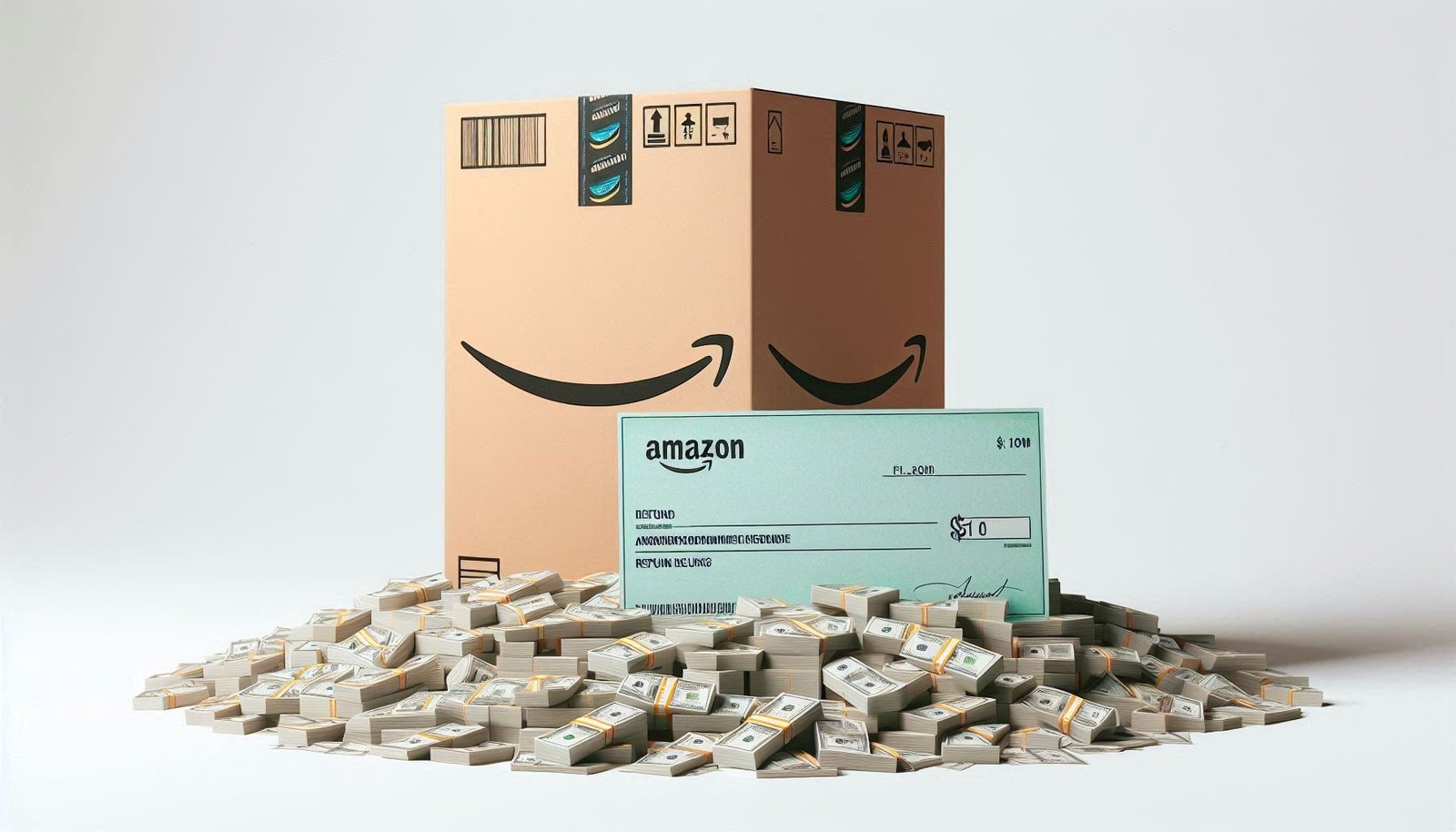
Here’s the quick version of what’s going on. Amazon agreed to a 2.5‑billion‑dollar settlement after the FTC said the company used ‘dark patterns’ to steer people into Prime and made it way too hard to cancel. Out of that, 1 billion goes in as a penalty and 1.5 billion is supposed to go back to customers who got caught in those tricky sign‑up and cancellation flows.
If you’re in that group, you can get a refund of your Prime membership fees, up to 51 dollars. The first wave is automatic: if you’re eligible, Amazon is supposed to email you between November 12 and December 24 and let you claim through PayPal or Venmo, no claim form, no website maze. Later on, there will be a claims process for people who should have been included but don’t see anything show up.
On paper, it’s a ‘historic’ win. In real life, it’s couch‑cushion money to a company this size. You spread 1.5 billion over roughly 30‑plus million people at about 51 bucks a head, and Amazon calls it the cost of doing business while it keeps right on shipping. They don’t admit they did anything wrong, they change some screens, and everyone moves on.
For the record, I’ve been through the Prime maze myself. I did sign up, and yes, it was tricky enough to stop my Prime account that I had to Google how to do it. Later I signed up again—not because I came crawling back, but because I buy a lot of stuff on Amazon and I like free shipping and those Prime‑only two‑day deliveries. So I might even be one of the people getting a little ‘sorry about that’ check while I’m still a paying customer.
The part that bothers me isn’t the checks. If they want to send people 51 dollars back, great. What sticks out is the idea that it took a federal case to say, ‘Hey, don’t design your website to trip people into subscriptions and trap them there.’ If a business model needs tricks, it probably needs fixing.
So if you see a refund hit your PayPal, enjoy the gas‑tank money. Just remember: when a company can write a multibillion‑dollar check and barely flinch, the real question isn’t, ‘Where do I sign up?’ It’s, ‘What else are they getting away with that nobody has dragged into court yet?’ ”
 By
By