What “Authoritarian” Really Means
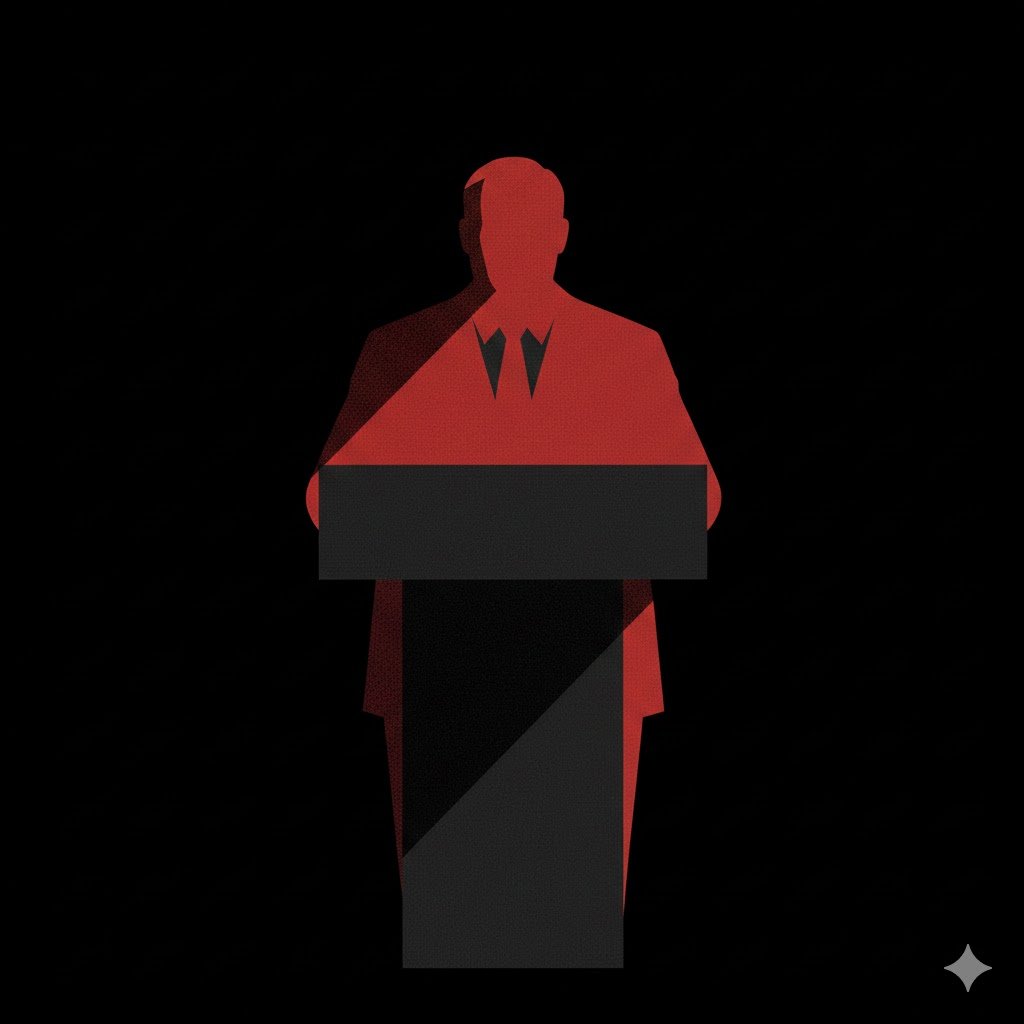
“Authoritarian” gets thrown around online any time someone doesn’t like a rule, a cop, or a politician. In real politics, it points to a way of running a country where power piles up at the top and ordinary people’s choices don’t really matter.
Official meaning
When political scientists talk about authoritarianism, they mean systems where:
- Power is concentrated in one leader or a small group.
- Political opposition, free media, and civil liberties are tightly restricted.
- People are expected to submit to authority rather than freely shape their government.
Authoritarian rulers may still hold elections and talk about “democracy,” but the game is rigged so they keep winning and critics pay a price.
What it really means
In practice, authoritarian rule tends to look like this:
- The executive keeps grabbing more power while courts, legislatures, and watchdogs are weakened or stacked with loyalists.
- Dissenters, journalists, and opponents are harassed, threatened, or punished to scare everyone else into line.
- The public is flooded with spin, lies, and conspiracy talk so people feel confused and powerless.
You can still see opposition parties or protests on the surface, but when the ruler feels threatened, those “freedoms” can be shut off like a light switch.
Why they use this word
In everyday debate, “authoritarian” becomes a handy smear:
- Each side yells that the other is “authoritarian” whenever it dislikes a policy, even if basic checks, elections, and freedoms are still in place.
- The word is used to blur together very different things—from a bossy school board to full‑blown regimes that jail opponents—so people stop seeing the difference between “too much government” and “no real freedom at all.”
When everything you dislike is “authoritarian,” it’s harder to recognize when a government really is moving away from accountable, limited power.
How to spot it in the wild
Next time you hear “authoritarian,” ask:
- Are we talking about isolated heavy‑handed decisions, or a pattern of concentrating power and weakening independent checks and balances?
Real authoritarianism is about how the whole system works, not just one bad law. - Are elections, courts, media, and opposition parties still free enough to actually kick the ruling group out—or are they being captured, threatened, or turned into window dressing?
When those referees stop being able to say “no,” you’re closer to genuine authoritarian rule. - Is the word being used to describe concrete actions, or just as a way to shout down a disagreement?
If there’s no evidence of power being hoarded and critics being punished, “authoritarian” may just be a buzzword.

